 Căutare


Ştiri
Adeziv ecologic: un ghid simplu pentru lipiciurile verzi
În ultimii ani, impulsul pentru produse durabile și conștiente de mediu a crescut rapid. O zonă care este adesea trecută cu vederea este adezivii. Lipiciurile și adezivii tradiționali pot elibera substanțe chimice nocive și compuși organici volatili (COV) în mediu. Acolo adeziv ecologic vine, oferind o alternativă mai sigură și mai ecologică atât pentru uz casnic, cât și pentru uz industrial.
Ce face ca un adeziv să fie ecologic?
Adezivi ecologici sunt concepute pentru a reduce impactul asupra mediului, menținând în același timp o performanță puternică de lipire. Mai mulți factori contribuie la acreditările lor ecologice:
- Conținut scăzut sau zero de COV, reducând emisiile nocive.
- Ingrediente biodegradabile care se descompun în mod natural în timp.
- Utilizarea resurselor regenerabile în locul substanțelor chimice pe bază de petrol.
- Formulare non-toxică sigură pentru utilizare și manipulare în interior.
Tipuri de adezivi ecologici
Există mai multe tipuri de adeziv ecologic produse disponibile pentru diferite aplicații. Fiecare are punctele sale forte în funcție de materialele și condițiile implicate.
Adezivi pe bază de apă
Acești adezivi folosesc apa ca solvent în loc de substanțe chimice nocive. Sunt ideale pentru prelucrarea lemnului, meșteșuguri din hârtie și proiecte generale de uz casnic. Lipiciurile pe bază de apă sunt ușor de curățat, sigure pentru copii și adesea vin cu certificări precum ASTM D-4236 pentru non-toxicitate.
Adezivi pe bază de plante
Fabricați din materiale naturale precum amidonul, celuloza sau rășinile naturale, adezivii pe bază de plante sunt biodegradabili și regenerabili. Funcționează bine pentru ambalaje, mobilier și chiar aplicații legate de alimente, cum ar fi farfurii de hârtie și cutii de carton.
Adezivi bio-epoxidici
Bio-epoxicii sunt fabricați din uleiuri vegetale și alte materii prime regenerabile în loc de petrol. Acești adezivi oferă legături puternice și durabile pentru prelucrarea lemnului, laminate și compozite, menținând în același timp o amprentă de mediu mai mică în comparație cu rășinile epoxidice tradiționale.
Beneficiile utilizării adezivilor ecologici
Trecând la adeziv ecologic produsele aduc multiple avantaje, nu doar pentru mediu, ci și pentru utilizatori și afaceri:
- Calitatea aerului din interior îmbunătățită datorită emisiilor scăzute de COV.
- Expunere redusă la substanțe chimice pentru lucrătorii din medii industriale.
- Respectarea reglementărilor de mediu și a certificărilor ecologice.
- Reputație îmbunătățită a mărcii pentru companiile care promovează sustenabilitatea.
- Sigur pentru proiecte de bricolaj, școli și meșteșuguri pentru copii.
Aplicații practice ale adezivilor ecologici
Adezivii ecologici nu sunt doar un produs de nișă. Sunt versatile și din ce în ce mai utilizate în aplicațiile de zi cu zi:
- Prelucrarea lemnului si montaj mobila.
- Produse din hârtie, carton și ambalaje.
- Proiecte de bricolaj pentru acasă și arte și meșteșuguri.
- Materiale de construcție precum laminate, panouri și podele.
- Aplicații medicale sau de calitate alimentară în care non-toxicitatea este esențială.
Alegerea adezivului ecologic potrivit
La selectarea unui adeziv ecologic , luați în considerare următoarele:
| Factorul | Considerare |
| Tip material | Asigurați-vă compatibilitatea cu lemn, metal, hârtie sau plastic. |
| Timp de uscare | Verificați dacă este nevoie de uscare rapidă sau setare lentă pentru proiectul dvs. |
| Durabilitate | Căutați rezistență puternică de lipire și rezistență la apă, dacă este necesar. |
| Certificari | Verificați etichetele ecologice, declarațiile non-toxice sau certificările din industrie. |
Concluzie
Folosind un adeziv ecologic este o modalitate practică de a reduce impactul asupra mediului fără a sacrifica performanța. De la proiecte casnice până la producție industrială, adezivii verzi oferă o soluție sigură, durabilă și durabilă. Înțelegând tipurile, beneficiile și aplicațiile adecvate, puteți face alegeri informate care sunt bune atât pentru proiectele dvs., cât și pentru planetă.
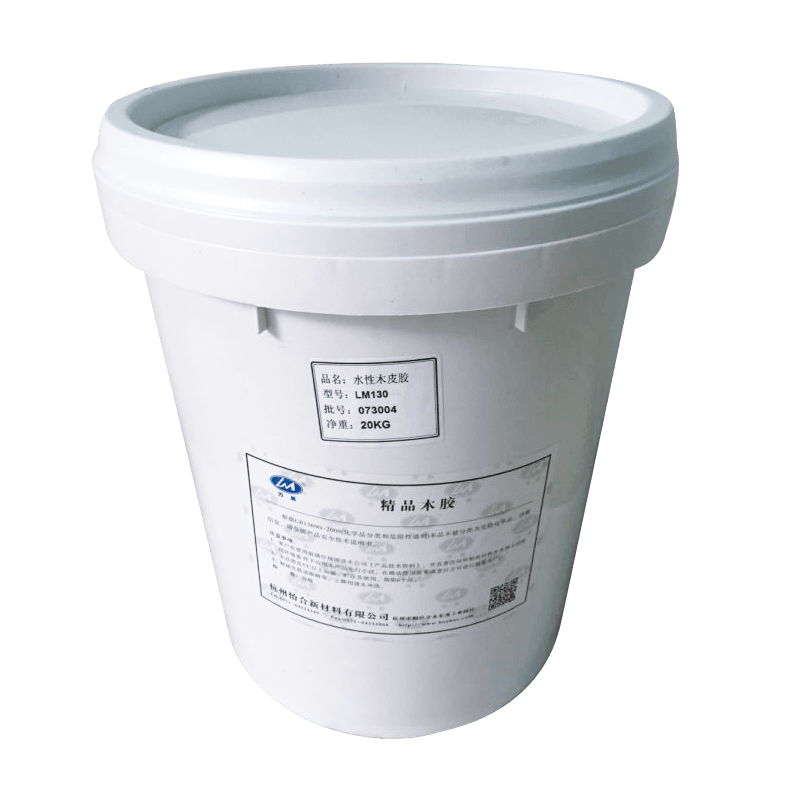
Produse recomandate
Global
Parteneri de afaceri
Parteneri de afaceri


Despre noi
Produse
- Seria de adezivi de termoformare în vid pe bază de apă pe bază de apă pe bază de vid
- Seria adezivă la laminare din PVC pe bază de apă
- Seria de adeziv premium pentru prelucrarea lemnului
- Seria de adeziv Pur Hot Melt
- Seria adezivă Eva Hot Melt
- Adeziv interior auto
- Adeziv pentru alte aplicații
- Adezivi ecologici
- Adezivi de înfășurare a profilului
Contactaţi-ne
- Add: Parcul industrial Dongxi, orașul Fenshui, județul Tonglu, Hangzhou, China
- Tel: +86 178 5710 2305
- E-mail: [email protected]
- whatsapp: +852 9215 7996
Ne -ar plăcea
Ascultă de tine!
Copyright © Hangzhou Yihe New Materials Co., Ltd. Drepturi rezervate.
Furnizori de lipici ecologici
